
Solar on the Gold Coast: Roofs, Shading and Coastal Conditions
Getting solar on the Gold Coast? Learn how roof type, shading and salt air can affect your system, and what to check before you install.
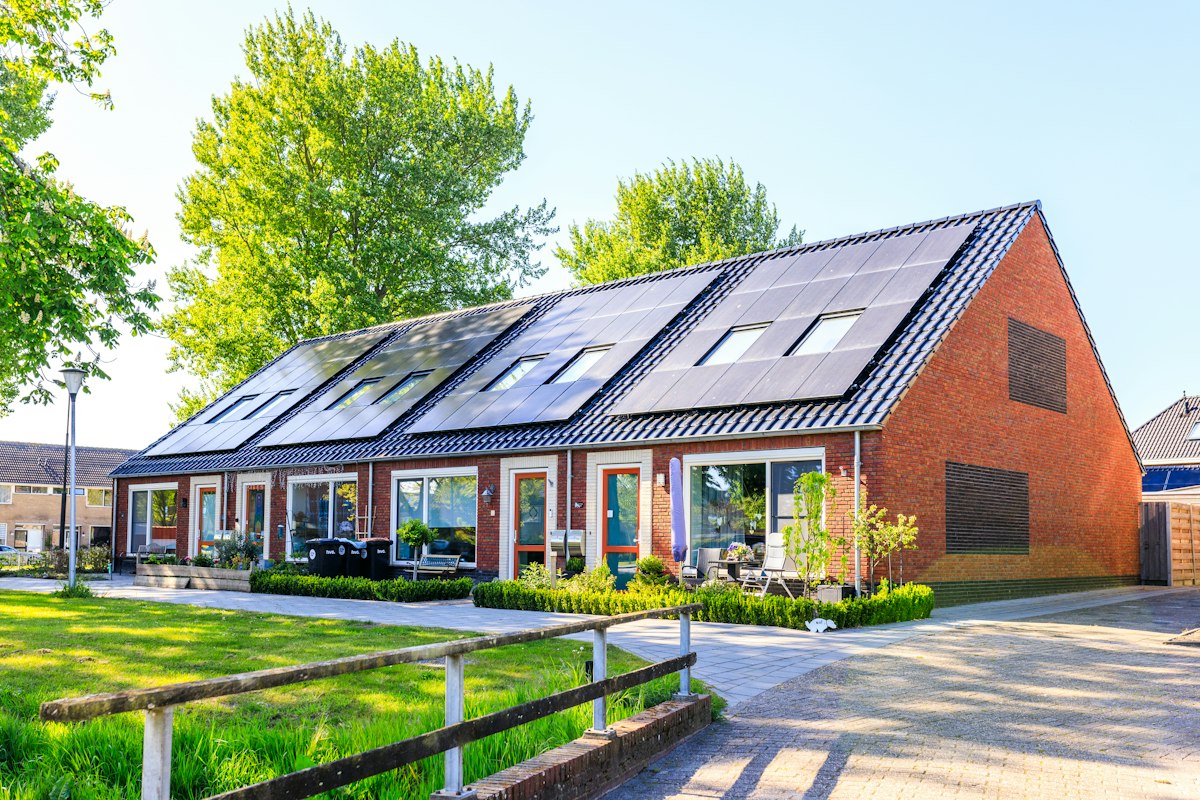
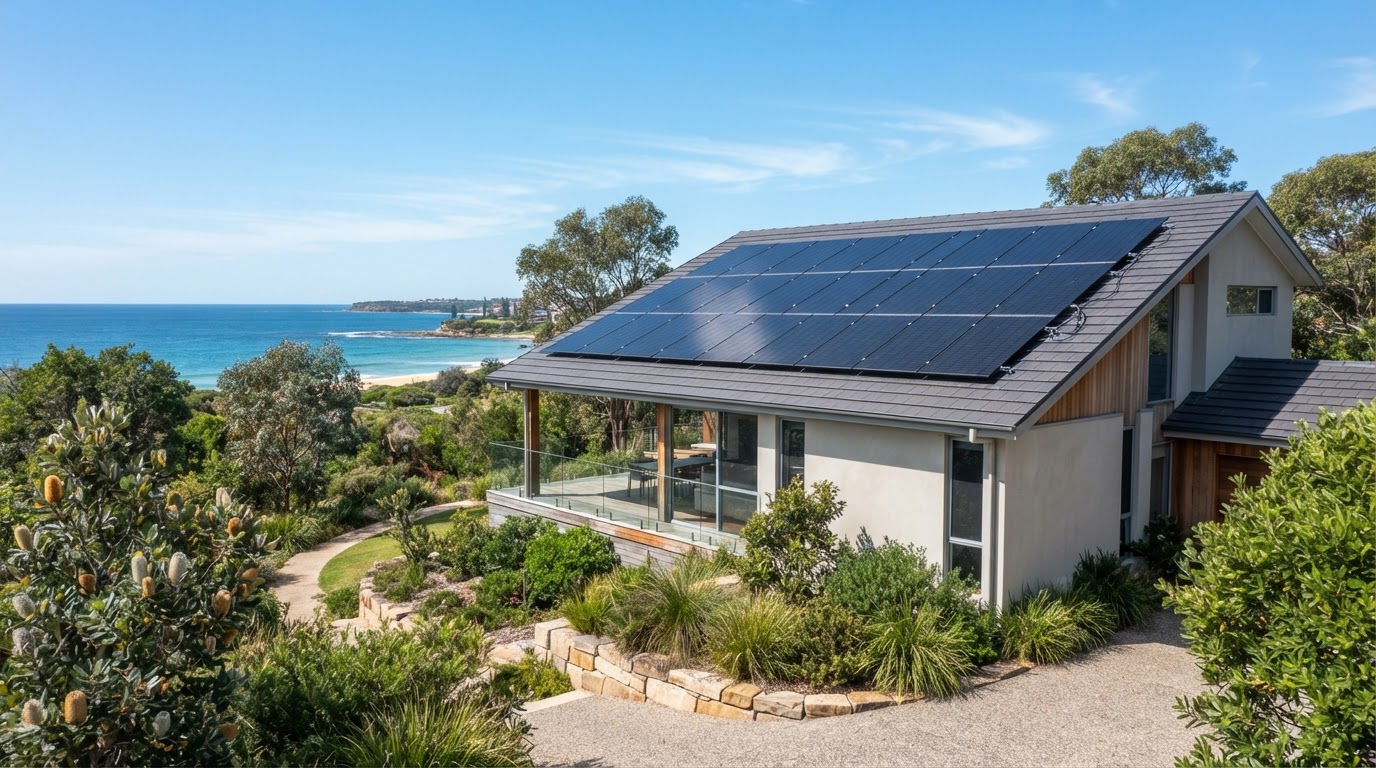
The Gold Coast gets plenty of sunshine, which makes it a natural place to think about solar. But homes here also face some conditions that are worth considering before panels go on the roof. From beachside units to hinterland houses, every property is a little different. This guide covers the main things Gold Coast homeowners should think about, including roof type, shading and living near the coast.
Start with your roof
Your roof is the foundation of any solar system, so it deserves a careful look. The main things that affect how well solar can work are:
- Which way it faces. North-facing roofs generally catch the most sun through the day in Queensland. East and west facing roofs can also perform well and may suit households that use more power in the morning or late afternoon.
- The roof material. Metal roofs and tiled roofs need different mounting methods. A good installer will choose an approach that suits your roof and keeps it weatherproof.
- The angle. Flat or low-pitch roofs may need panels tilted on frames, while steeper roofs often have panels mounted flush.
- Its condition. If your roof has rust, cracked tiles or leaks, it is usually best to fix those first. Panels are designed to stay in place for a long time, so it makes sense to start with a sound roof.
Understanding shading
Shade is one of the biggest factors in how much power a solar system produces. On the Gold Coast, shading can come from many sources:
- Palm trees and other tall trees in your yard or your neighbour's
- Nearby high-rise buildings, especially in denser coastal suburbs
- Hills and ridgelines in hinterland areas
- Parts of your own home, such as raised roof sections, chimneys or vents
Shade changes through the day and across the seasons, as the sun sits lower in winter. A proper site look should consider where shade falls at different times, not just at the moment of the visit. In some cases, panels can be placed on less shaded sections of the roof, or equipment can be chosen that handles partial shading better. The right approach depends on your property.
Living near the coast
Many Gold Coast homes are close to the beach, and that brings salt air. Salt in the air can be harder on metal components over time. This does not mean solar is a poor choice near the coast. It simply means the system should be designed with the location in mind.
Some general points to consider:
- Choosing mounting hardware and components that are suitable for coastal conditions
- Thinking about where the inverter and any other equipment are placed, ideally in a sheltered spot
- Keeping an eye on the system over time, as coastal homes may benefit from occasional checks
Coastal areas can also see strong winds during storms. Panels need to be properly secured to suit your roof and location, which is another reason a careful installation matters.
Keeping panels clean
Dust, salt spray, bird droppings and leaf litter can build up on panels. Rain often does a reasonable job of washing them, but in some spots, especially near the coast or under trees, panels may benefit from occasional cleaning. If your panels are hard to reach, it is safest to ask for help rather than climbing onto the roof yourself.
Think about how you use power
Beyond the roof, it helps to think about your household routine. Solar makes power during the day. Homes that use a good share of their power while the sun is up often get more value from it. If your household is busier in the evening, you might want to ask about adding a battery now or in the future.
The right system size depends on your usage, your roof direction and how much shading there is. A good recommendation should explain this clearly.
Your switchboard
Some Gold Coast homes, particularly older ones, may need a switchboard upgrade before solar can be connected. A thorough site look should include a check of your switchboard so there are no surprises later.
Solar on the Gold Coast with Prestige Power & Energy
Prestige Power & Energy works with homeowners across the Gold Coast, from the coastal strip through to the hinterland. We look at your roof, your shading, your switchboard and your location before recommending a system. We also back our work with a clear promise. We guarantee the system's output and savings, or we pay the difference.
If you are thinking about solar for your Gold Coast home, contact our team and we will arrange a time to look at your property and talk through what would suit it.