
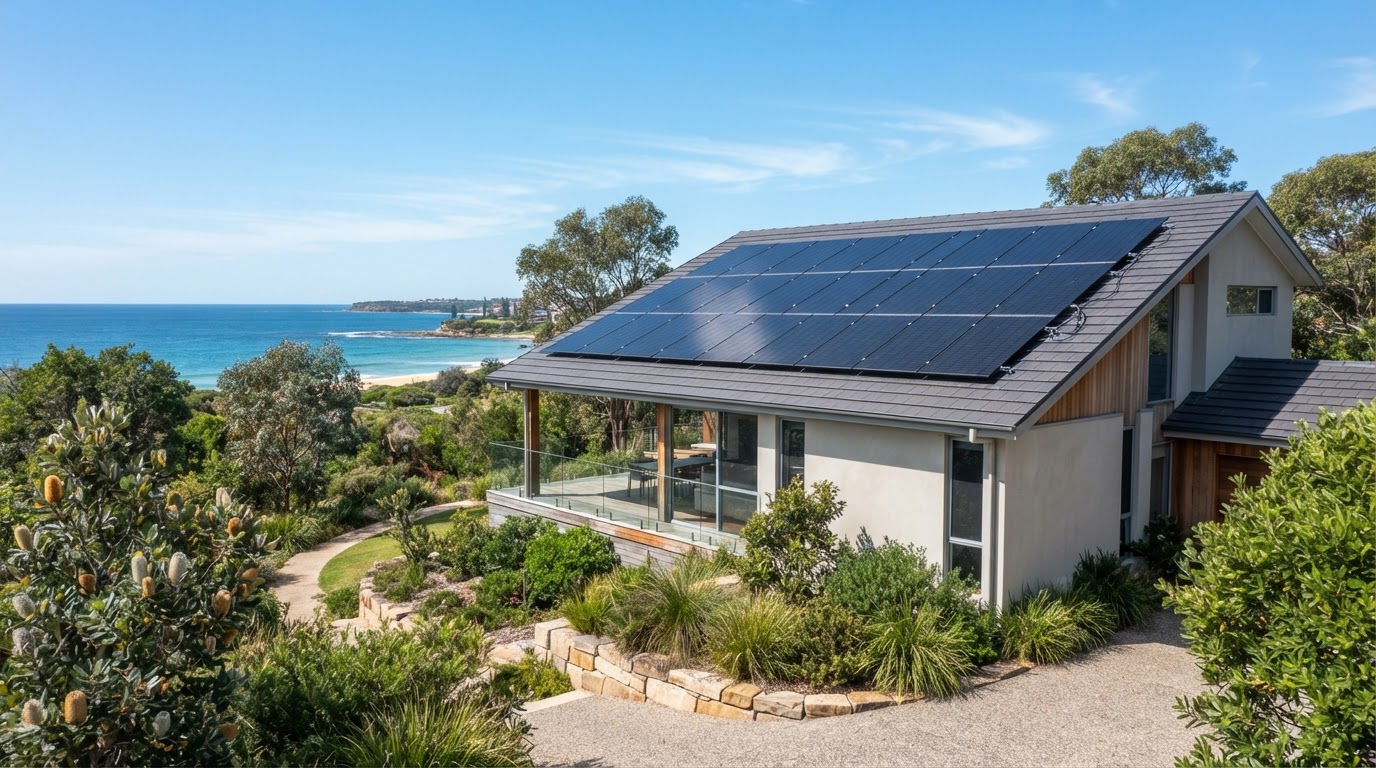
What Happens During a Solar and Battery Installation
Wondering what a solar and battery installation involves? Here is what to expect, from the site look and design to install day and handover.
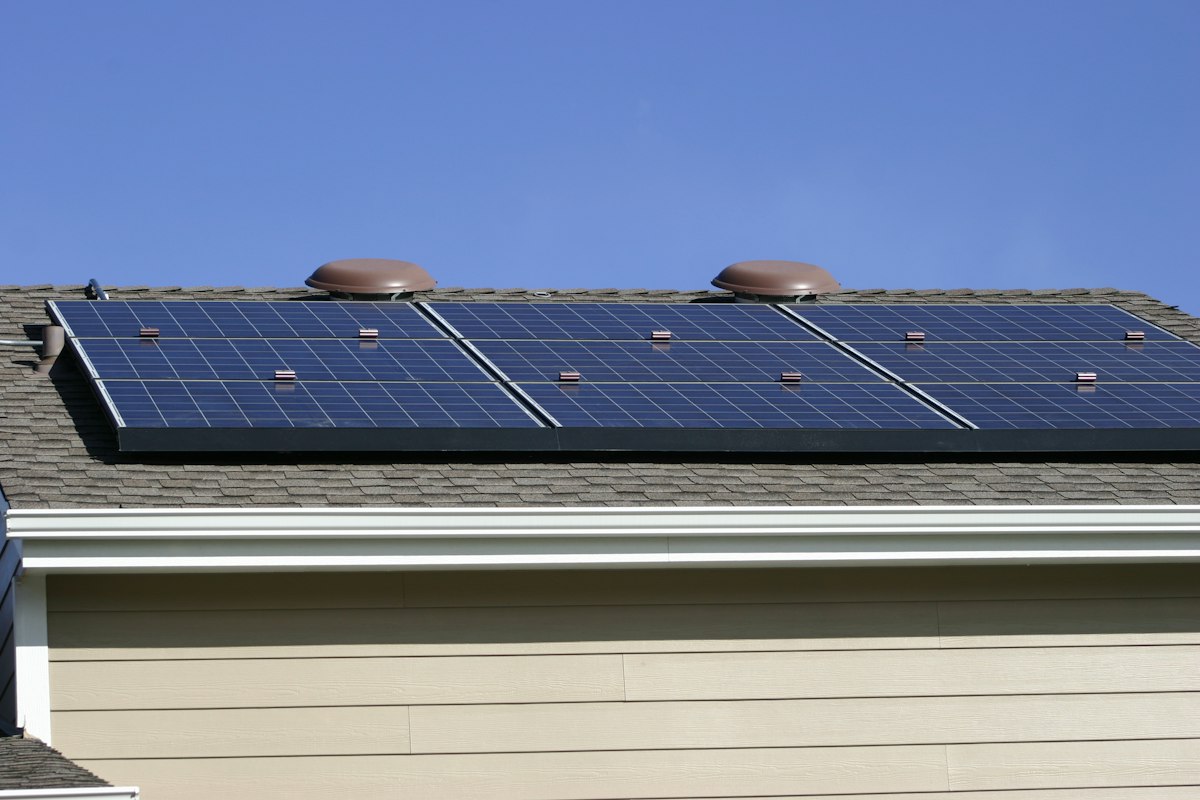
If you have never had solar or a battery installed before, it is natural to wonder what the process actually looks like. Who comes to your home, what do they check, and what happens on installation day? Knowing what to expect can make the whole experience feel much more relaxed. This guide walks through a typical solar and battery installation step by step, from the first visit to the moment the system is handed over to you.
Start with a conversation
Everything starts with a conversation about your home and your goals. This is a chance to talk about how your household uses power, what you want from the system and any questions you have. It helps to have a recent power bill handy, as it gives a useful picture of your usage.
Some of the things you might discuss include:
- When your household uses the most power
- Whether you are interested in solar, a battery or both
- Whether backup power during outages matters to you
- Any future plans, such as renovations or an electric vehicle
The site look
Next, someone visits your home to look at the property in person. This step matters, because every home is different. During the site look, the installer will generally check:
- Your roof. Its direction, angle, material, condition and available space.
- Shading. Trees, nearby buildings and parts of your own home that may cast shade at different times of day.
- Your switchboard. Whether it can take the new equipment or whether an upgrade may be needed first.
- Battery and inverter locations. Suitable spots that are sheltered, well ventilated and reasonably close to the switchboard.
- Access. How the team will get onto the roof and move equipment safely.
Designing the system
Using what was learned from the conversation and site look, the system is designed to suit your home. The right size and setup depend on your usage, roof direction, shading and goals. The design covers where the panels will go, which inverter suits your setup, where the battery will be mounted and how everything connects.
You should receive a clear explanation of what is being recommended and why. If anything is unclear, ask. A good design should make sense to you, not just to the installer.
Preparing for installation day
Once you are happy to go ahead, an installation date is organised. Before the day, there may be some paperwork to complete, including approval to connect the system to the grid. Your installer will generally take care of this and let you know if anything is needed from you.
It can help to:
- Clear access to the switchboard and the battery location
- Make space in the driveway for the installation team
- Keep pets secure and away from work areas
- Let the team know about anything they should be aware of, such as fragile garden areas
Installation day
On the day, the team arrives and sets up safely. The work usually includes:
- Fitting mounting rails to the roof
- Securing the solar panels to the rails
- Running cabling from the roof to the inverter
- Mounting the inverter and battery in their chosen locations
- Connecting everything to the switchboard
Your power will usually need to be switched off for part of the day while the electrical connections are made. The team should let you know when this will happen. How long the installation takes depends on the size and complexity of the job, and the team should give you a clear idea beforehand.
Testing and handover
Once everything is installed, the system is tested to make sure it is working properly. Then comes the handover. This is your chance to learn how the system works and how to keep an eye on it.
A good handover should cover:
- How to read the inverter and any monitoring app
- How the battery charges and discharges through the day
- What happens during a power outage
- How to safely shut the system down if ever needed
- Who to contact if you have questions later
After the installation
Once the system is running, it generally needs little day-to-day attention. Checking your monitoring from time to time helps you see how it is performing and spot anything unusual early.
Installations across South East Queensland
Prestige Power & Energy installs solar and battery systems across Brisbane, the Gold Coast, the Sunshine Coast, Logan and Ipswich. We aim to keep each step clear and calm, with plain explanations from the first chat to the final handover.
If you would like to talk through what an installation would look like at your place, get in touch with our team and we will be happy to help.